
Pricing a house sounds easy until it’s your house.
Then it gets personal fast.
That’s usually when homeowners start with the number they want and work backward. The market doesn’t really care what number feels fair to you. It responds to condition, location, timing, and buyer demand.
That doesn’t mean you undervalue the house.
It means you price it from reality.
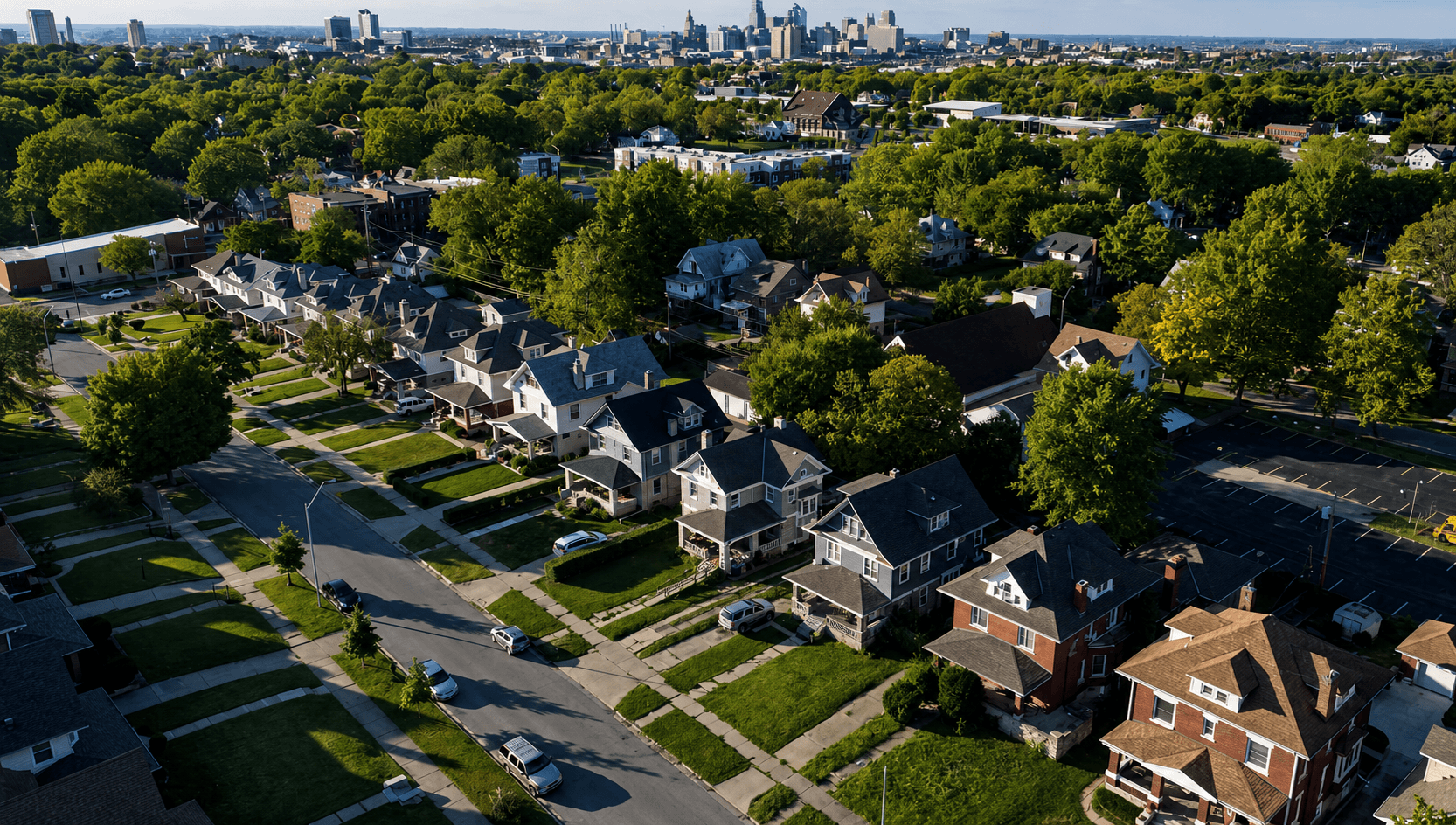
Kansas City Is Not One Market
This matters more than people think.
Brookside is different from Raytown. Waldo is different from Grandview. Prairie Village is different from Independence. Even two streets in the same zip code can behave differently depending on condition, school district, price range, and buyer demand.
So when somebody throws out a broad market number without really dialing into your neighborhood, be careful.
That number may not help much.
Use the Right Comparables
Good pricing starts with good comps.
That usually means:
- recent sales
- nearby sales
- similar size
- similar style
- similar condition
- closed sales, not wishful active listings
That last part matters.
A listing price tells you what someone hopes to get. A sold price tells you what a buyer actually paid.

Condition Changes the Entire Conversation
This is where sellers usually push back the hardest.
If your house needs:
- roof work
- foundation work
- HVAC replacement
- plumbing or electrical updates
- heavy cosmetic work
- full cleanout
you are not competing with polished, move-in-ready listings.
You may still sell well. But you’re in a different category.
In my experience, a lot of sellers compare their house to the nicest sale nearby and mentally subtract a little for repairs. Buyers usually subtract more than a little, because they’re also pricing in hassle, delay, and risk.
A Real-World KC Example
A really common example is a homeowner in Waldo or Raytown who sees a renovated house down the street sell for a strong number and assumes their own property should be close.
But if their house still has an older roof, dated kitchen, worn flooring, and deferred maintenance, the comparison isn’t apples to apples.
That’s where pricing goes sideways.
Not because the seller is unreasonable. Just because they’re comparing their house to the wrong version of the market.

If You’re Selling As-Is, Price It Like an As-Is House
This is one of the most common mistakes I see.
The seller says they want to sell as-is, but the asking price still assumes a clean retail buyer is going to overlook all the work.
That usually leads to:
- weak interest
- lots of lookers, few serious offers
- inspection renegotiation
- price cuts later
- a listing that starts to feel stale
If the house is truly an as-is property, the price has to reflect that from the start.
Overpricing Has a Cost
An overpriced house doesn’t just sit quietly.
It loses momentum.
Buyers start wondering what’s wrong with it, why nobody has pulled the trigger, or whether the seller is unrealistic. Once that happens, even a price cut doesn’t always fix the problem.
Fresh listings get attention. Stale ones get skepticism.
A Better Pricing Question
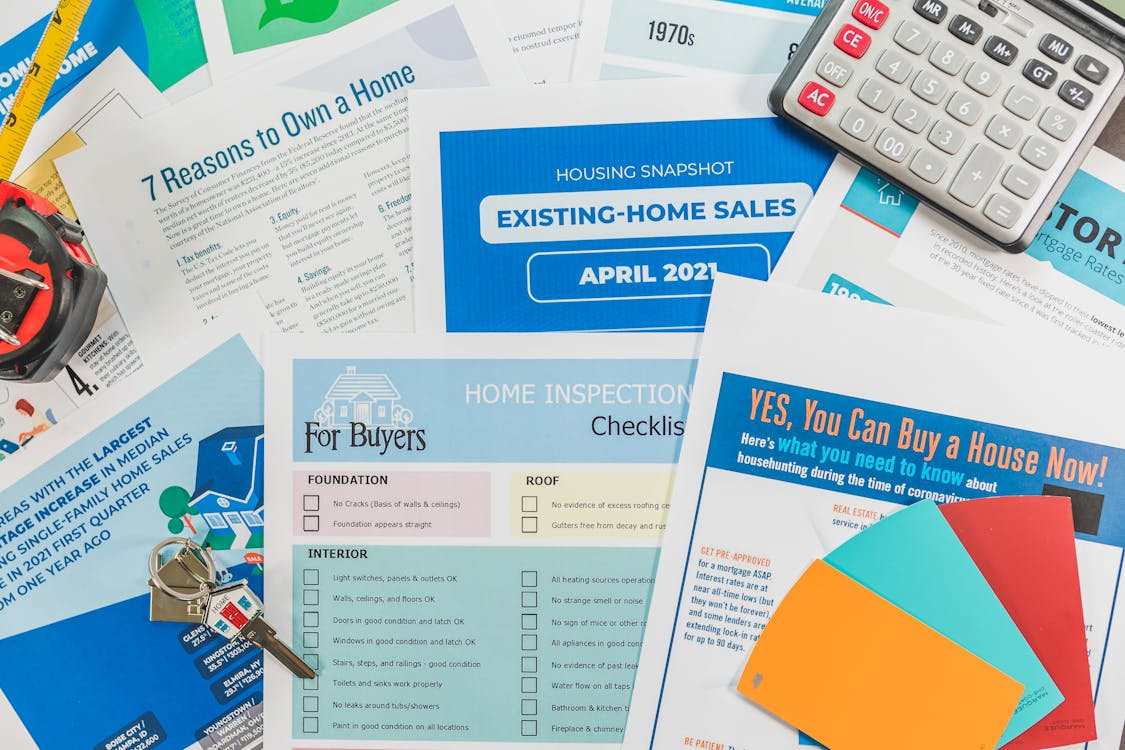
Instead of asking, “What could this house be worth?” ask this:
What will the right buyer actually pay for this house, in this condition, in this neighborhood, on this timeline?
That gets you much closer to the truth. And truth is what gets houses sold.
Think in 3 Buckets
Retail-Ready Value
What could it sell for if it were cleaned up and market-ready?
As-Is Market Value
What would a real buyer pay for it today in current condition?
Net Reality
After commissions, cleanup, repairs, concessions, and carrying costs, what would you actually keep?
That third number matters a lot.

My Honest Take
If the house is clean and you have time, listing at the right price can work really well.
If it needs real work, don’t force it into a retail pricing model that doesn’t fit the property. That usually wastes time, creates frustration, and leads to harder price cuts later anyway.
I’d rather see a seller price honestly on day one than chase a hopeful number for six weeks.
Final Thought
The right price is not the highest number someone says confidently.
It’s the number that fits the house, the condition, the neighborhood, and the kind of buyer you actually need.
If listing would clearly make you more money and you have the time to do it right, that’s worth knowing too.
Contact Hearthstone Properties KC
Call Now: (913) 213-3623
Email: [email protected]
If pricing uncertainty is making you consider a simpler path, see how a direct cash sale compares to a traditional listing — no pricing guesswork required.
READY WHEN YOU ARE
Want to Know What Your KC Home Is Actually Worth?
No pressure, no obligation. Just an honest conversation about your situation and your options.
Call any time and you’ll reach our automated assistant. Chris personally reviews every property and gets back to you within one business day.